


Speakers
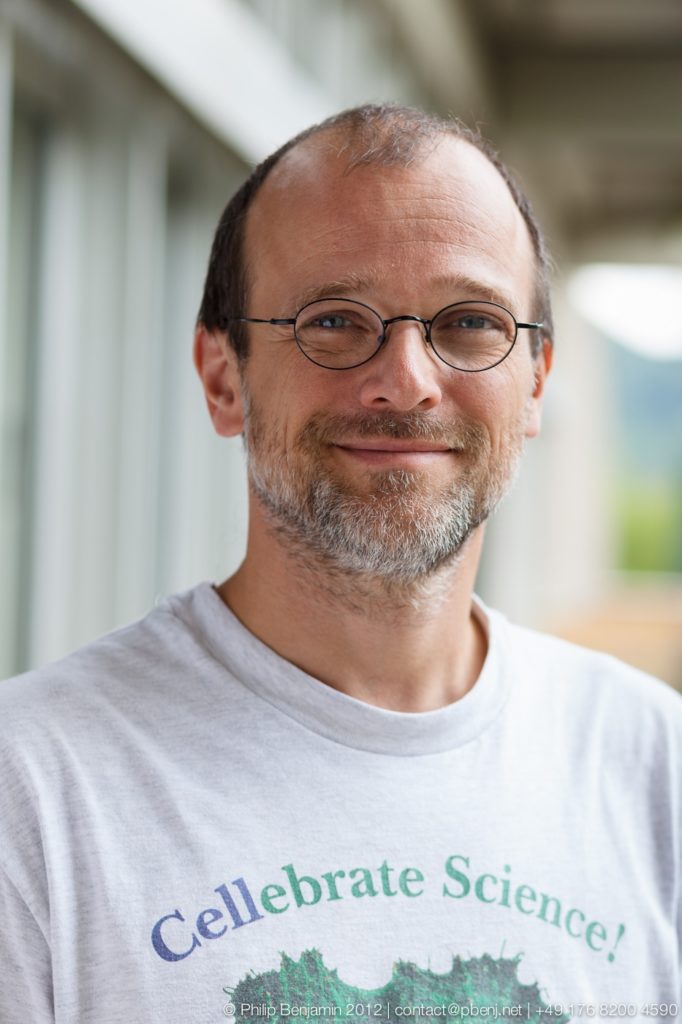
PROF. FRIEDRICH FRISCHKNECHT
“Cell biology of malaria parasites – a personal story”
Professor for Integrative Parasitology, Center for Infectious Diseases, Medical Faculty, Heidelberg University
February 26th 2026, 4PM (CET)
Friedrich Frischknecht is a German biochemist and parasitologist whose research focuses on the molecular and cellular biology of malaria parasites. He studied biochemistry at Freie Universität Berlin and completed his PhD at European Molecular Biology Laboratory (EMBL) in Heidelberg. Following postdoctoral work at Institut Pasteur in Paris, he led a research group on pathogen motility and since 2014 has served as full Professor in Integrative Parasitology at Heidelberg University Hospital, where his lab investigates how malaria parasites move, infect hosts, and propagate.
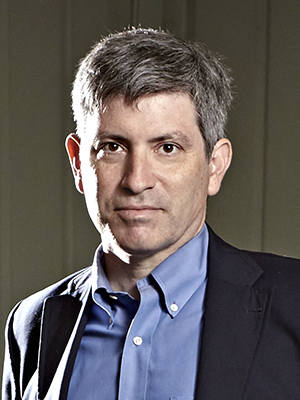
CARL ZIMMER
“When Science Writing Becomes Crisis Reporting”
Adjunct Professor of Molecular Biophysics & Biochemistry, Yale University; Science writer for the New York Times
Thursday March 19th 2026, 4PM (CEST)
Carl Zimmer is an American science writer, journalist, blogger, and columnist known for his work on evolution, heredity, and parasites. He has authored numerous books and regularly writes science essays for outlets including The New York Times, Discover, and National Geographic. Zimmer is also a fellow at Yale University’s Morse College and serves as an adjunct professor in the department of molecular biophysics and biochemistry at Yale.

PROF. MICHELA MATTEOLI
“Sex, Immunity, and the Brain: Decoding Responses to Challenges”
Professor of Pharmacology, Humanitas University; Director of the Neuro Center, Humanitas Research Hospital
April 16th 2026, 4PM (CEST)
Michela Matteoli is a leading neuroscientist whose work is centered on how the immune system and inflammation influence the development, formation, and function of synapses and neural circuits. She heads the Pharmacology and Brain Pathology lab and coordinates the Neuro Center at Humanitas Research Hospital in Milan. Her research group investigates how immune‑mediated processes impact synaptic health and brain connectivity — with implications for neurodevelopmental, neurodegenerative, and neuropsychiatric disorders.
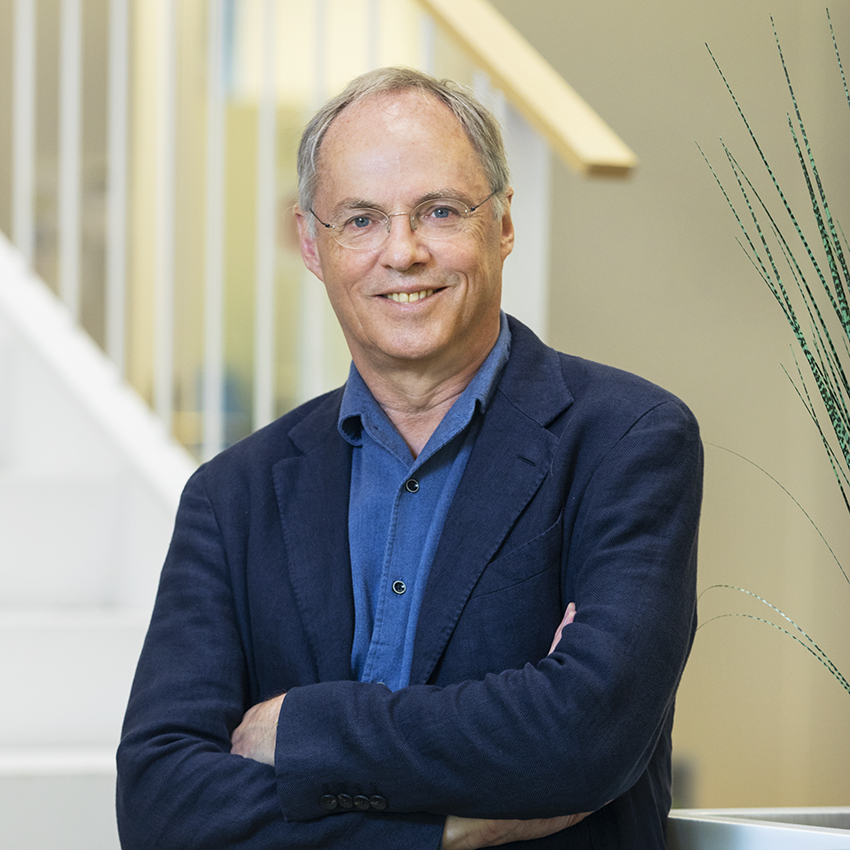
PROF. HANS CLEVERS
“Culturing Human Epithelial Organoids in 3D and 2D”
Professor of Molecular Genetics, Utrecht University
June 4th 2026, 4PM (CEST)
Hans Clevers is a world-leading cell biologist known for seminal contributions to Wnt signaling, stem cell biology, and cancer research. He pioneered the development of organoids, transforming biomedical research and precision medicine. Formerly President of the Royal Netherlands Academy of Arts and Sciences and Director of the Hubrecht Institute, he is currently Head of Pharma Research & Early Development at Roche and ad interim Director of the Institute of Human Biology in Basel. He is a recipient of the Breakthrough Prize in Life Sciences and a member of multiple national academies.
PROF. STEPHEN FRIEND
“Are we ready to end the era of offering up our agency in return for being healed”
Visiting Professor of Connected Medicine, University of Oxford.
September 10th 2026, 4PM (CEST)
Professor Stephen H. Friend is a physician–scientist and innovator working at the intersection of medicine, data science, and society. He is widely recognised for his foundational contributions to cancer genetics, systems biology, and open biomedical research. Prof. Friend has held senior leadership roles across academia, industry, and the nonprofit sector, including pioneering data-driven approaches to drug discovery and patient-centred research. His current work focuses on connected medicine, digital health, and new models of collaborative science that empower individuals and accelerate discovery.
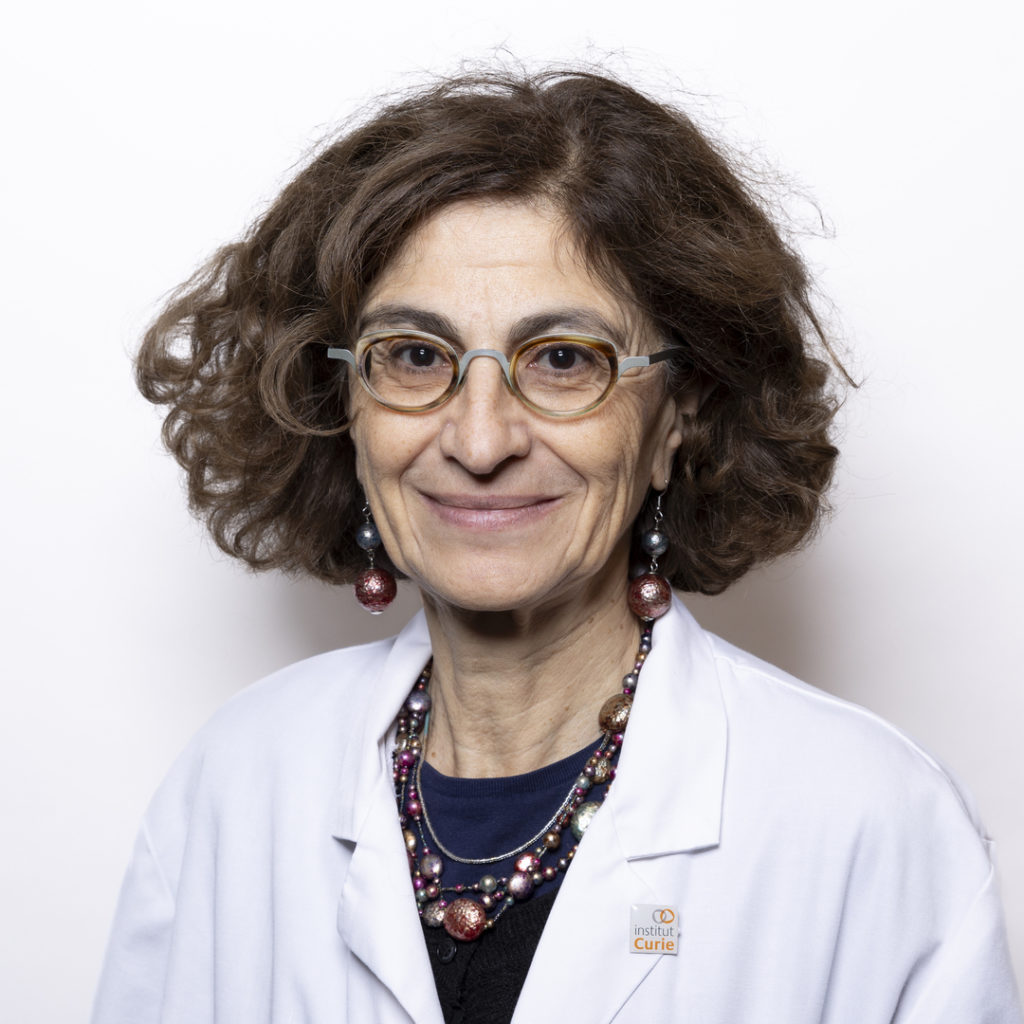
DR. GENEVIEVE ALMOUZNI
“Placing histone H3 variants in time”
Team Leader, Chromatin Dynamics, Institut Curie, Paris; Director of Research Exceptional Class, CNRS.
October 8th 2026, 4PM (CEST)
Geneviève Almouzni is a globally recognised biologist and epigenetics expert. She is Director of Research Exceptional Class at the French National Centre for Scientific Research (CNRS) and leads the Chromatin Dynamics team at Institut Curie. Her work elucidates how chromatin organisation and genome function drive development and disease, especially cancer. She is a member of the European Molecular Biology Organization (EMBO), the French Academy of Sciences and a Fellow of the American Association for the Advancement of Science, and has served in leadership roles including on the EMBO Council and as co-chair of the European LifeTime initiative.
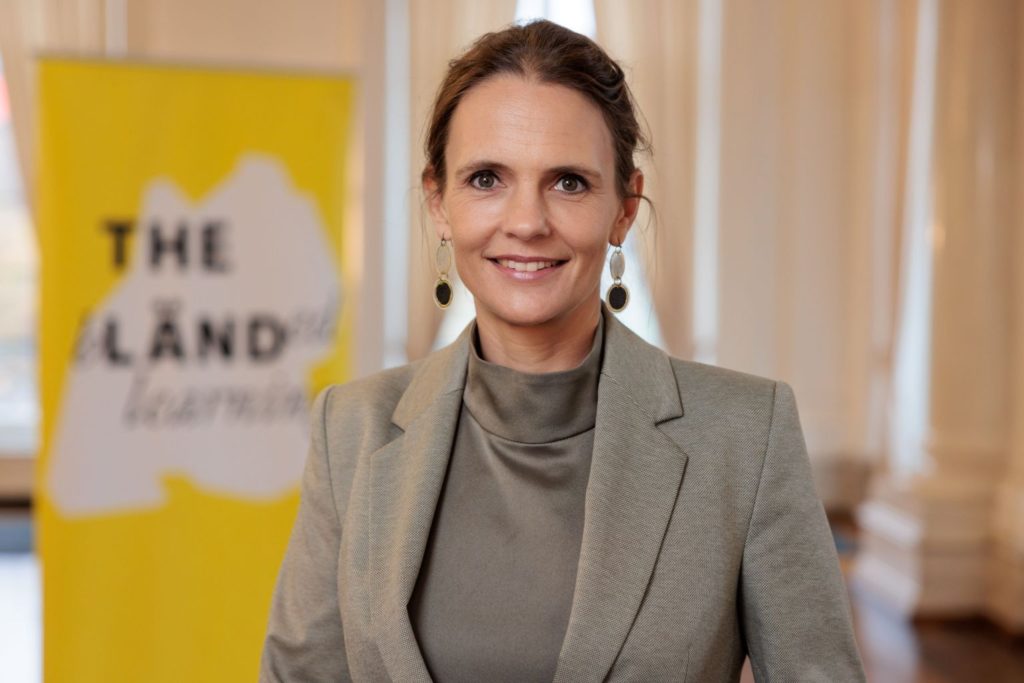
PROF. LENA MAIER-HEIN
“False Promises and Real Progress in Medical Imaging”
Full professor, Heidelberg University; Managing director, National Center for Tumor Diseases (NCT) Heidelberg; Head of division Intelligent Medical Systems, the German Cancer Research Center
November 5th 2026, 4PM (CET)
Lena Maier-Hein is a full professor at Heidelberg University, Germany, and division head at the German Cancer Research Center (DKFZ). She is managing director of the National Center for Tumor Diseases (NCT) Heidelberg and of the DKFZ Data Science and Digital Oncology cross-topic program. Her research centers on machine learning-based biomedical image analysis with a specific focus on surgical data science, computational biophotonics, and validation of machine learning algorithms.
Subscribe to receive the online meeting links and to stay updated on upcoming seminars: